
Aging electrical architecture
Review of legacy harnesses and wiring documentation against the current configuration.
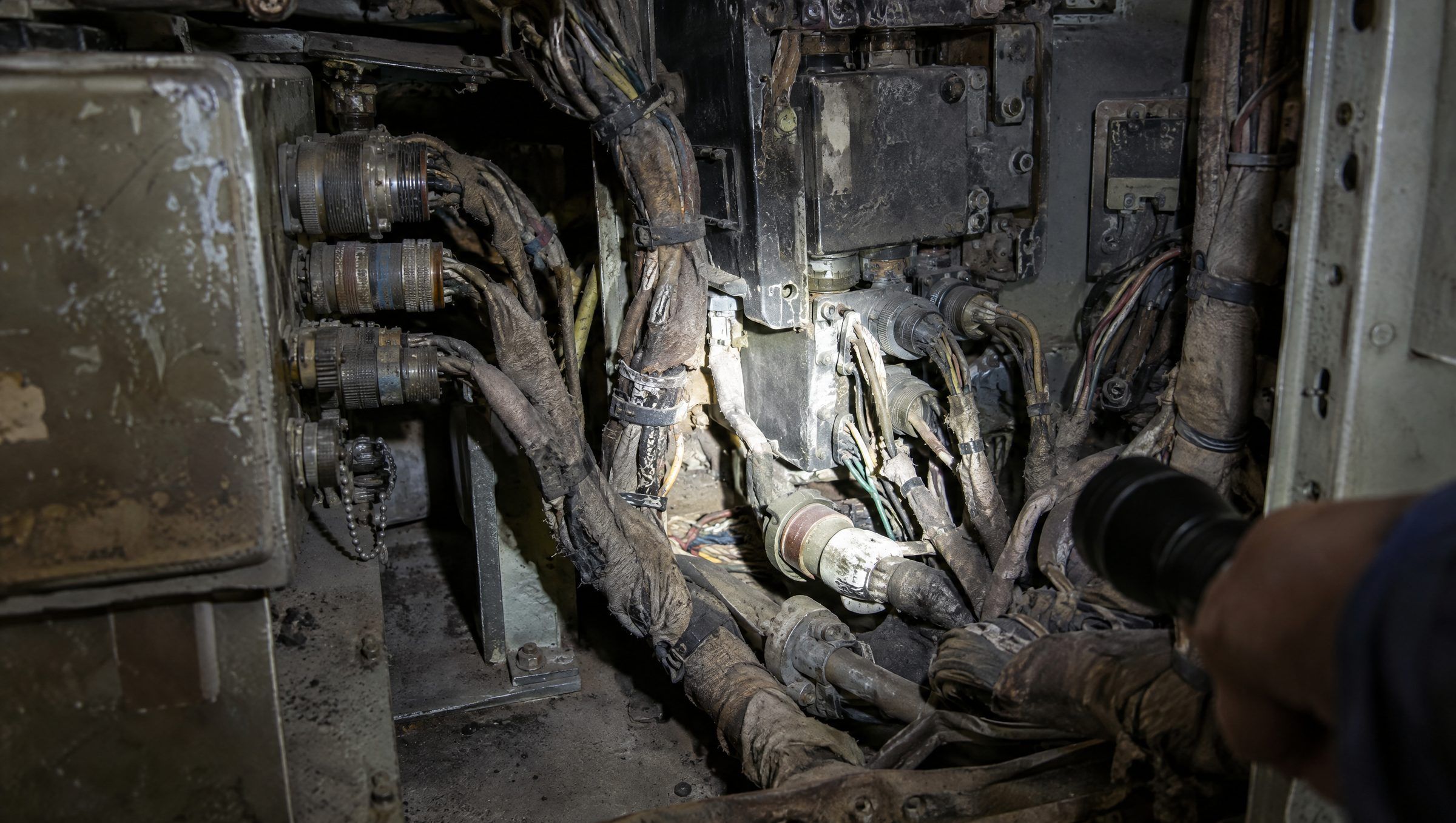
Installed fleets age from the inside: harnesses, connectors, relays, power supplies and electronics reach end of life long before the platform does. LIGHTNX connects obsolescence sourcing to engineering — so a part that can no longer be found can become a documented replacement solution.
Sustainment starts with locating obsolete and hard-to-find items. When a part cannot be sourced responsibly, LIGHTNX reviews the technical data and coordinates a form-fit-function replacement — harness, connector transition, assembly or mounting redesign — for the customer’s engineering approval.
Scope is defined per requirement and may be performed by LIGHTNX or by qualified manufacturing partners under LIGHTNX coordination.
Review of legacy harnesses and wiring documentation against the current configuration.
Replacement harnesses and cable assemblies built to legacy or updated drawings.
Location of obsolete, end-of-life and hard-to-find items through evaluated supply channels.
Connector and contact transitions where original parts are no longer available.
Form-fit-function replacement assemblies coordinated for customer approval.
Bracket and mounting redesign where replacement equipment changes the envelope.
Legacy drawings and specifications reviewed for gaps before a replacement is defined.
Recurring supply of sustainment items with documentation suited to the requirement.
The replacement path when an obsolete item cannot be sourced. Approval authority remains with the customer.
Engineering changes to fielded platforms are approved by the customer or design authority. LIGHTNX prepares and supports the replacement definition; it does not assume design authority for a platform.
Program applications describe where LIGHTNX capabilities can support. They do not describe completed or current contracts, customers or programs.
Tell us what the program needs, when it is needed and which documentation matters. We will review it and define the path to delivery.