
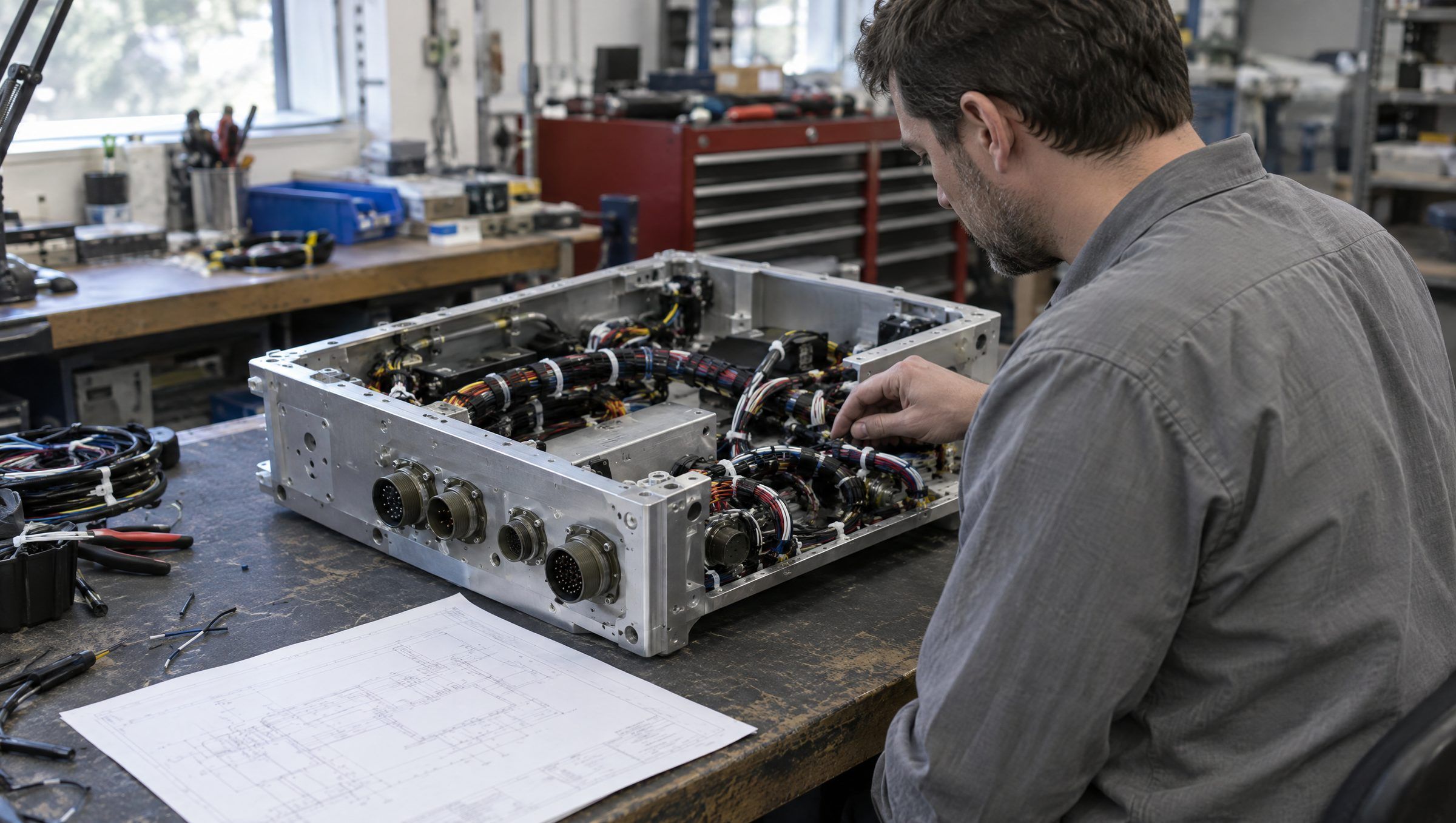
Technical data & requirements review
Drawings, specifications, referenced standards and acceptance criteria reviewed together before anything is built.
LIGHTNX Defense supports electrical, electromechanical and mission-system integration through technical requirements analysis, harness and interconnect engineering, component selection, ruggedized packaging, build-to-print coordination, supplier integration, documentation and production support.
Programs and system integrators need more than parts. LIGHTNX takes responsibility for a defined integration package — reviewing the technical data, engineering the electrical and interconnect content, selecting and sourcing components, coordinating qualified manufacturing partners and delivering the assembly or subsystem with its documentation. Designed and built to applicable customer, military and industry requirements.
A rugged electronics subsystem is a stack of integration decisions. LIGHTNX engineers, sources, coordinates and documents each layer so the assembly arrives complete, consistent and traceable.
Drawings, specifications, referenced standards and acceptance criteria reviewed together before anything is built.
Schematics, harness and cable design, wiring lists and connector selection in Zuken E3.series and CR-8000.
Customer-designed assemblies produced by qualified manufacturing partners to the released technical package and revision.
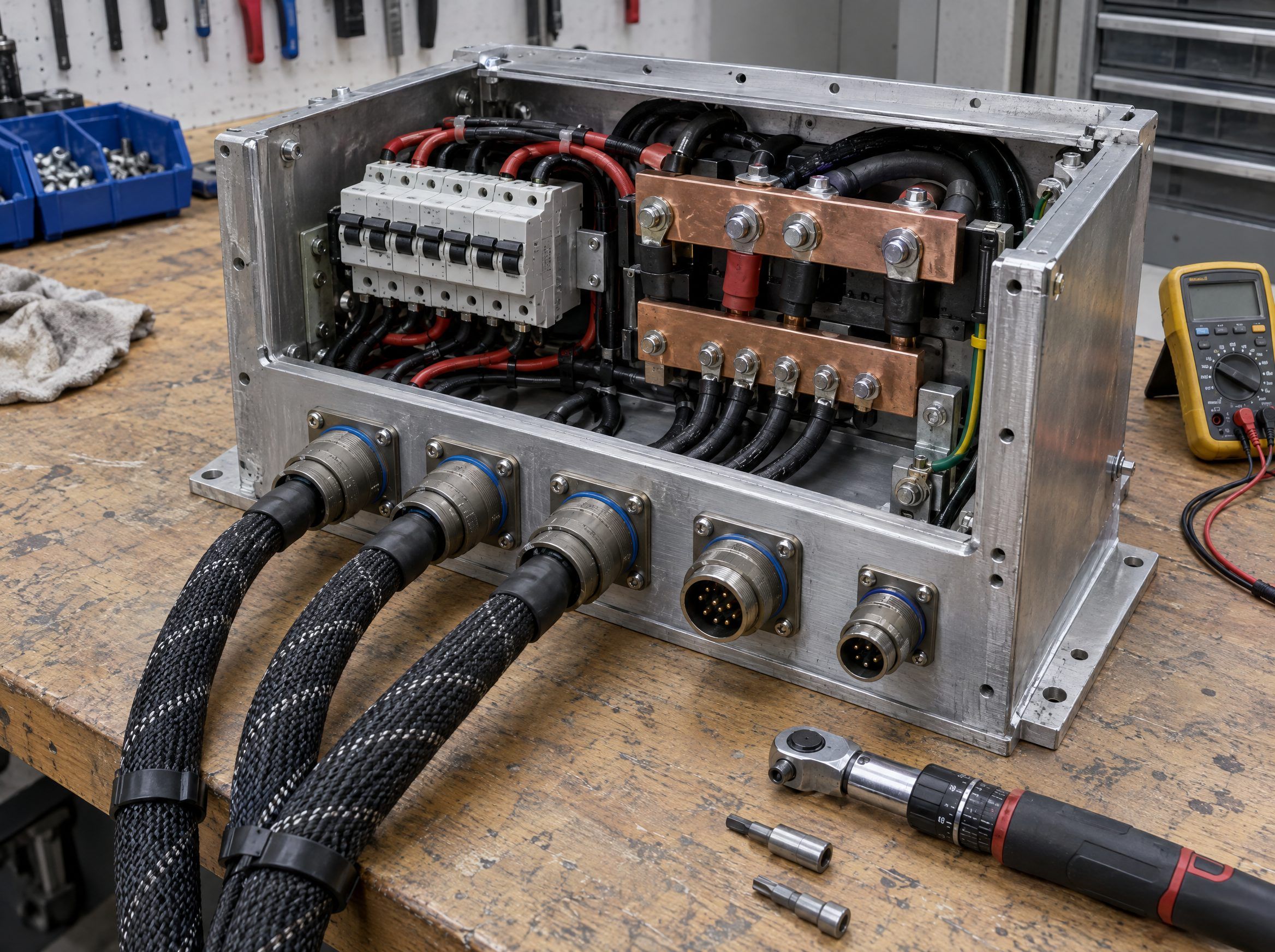
Enclosures, junction and interface boxes, connector panels and internal harnessing for harsh environments.
Protected power distribution, power and data harnessing and breakout assemblies.
Brackets, mounting plates, racks and routing space claims modeled in PTC Creo and coordinated with fabrication partners.
Machining, fabrication, harness and electronics assembly coordinated across qualified partners under one requirement set.
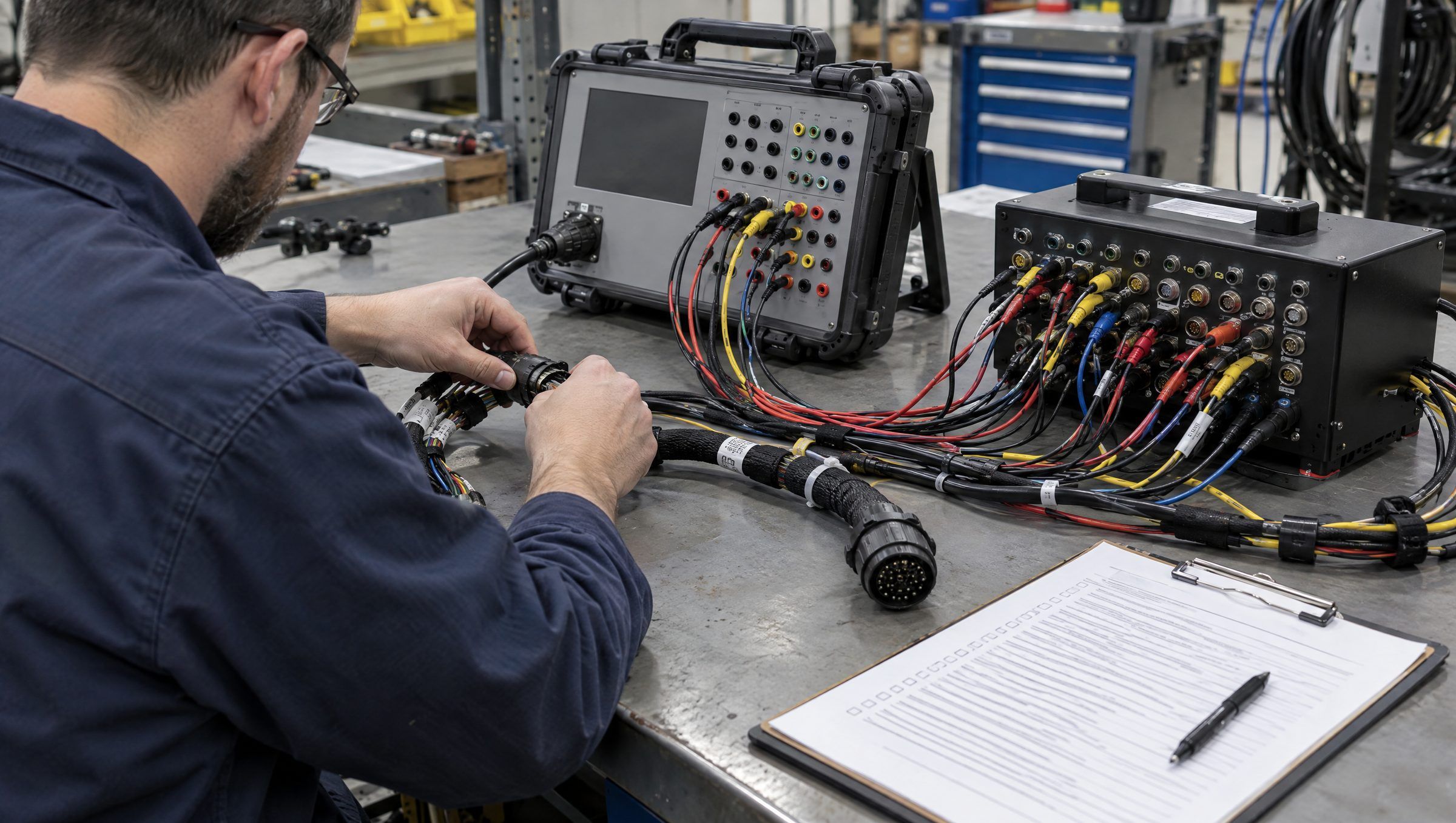
Harness testers, breakout boxes, test cables, fixtures and programming or service cables.
Drawings, BOMs, wiring lists and revisions kept under configuration control from release to delivery.
Inspection and test requirements flowed down, records reviewed and a traceable delivery package assembled.
Every package defines who performs each requirement. LIGHTNX engineers, sources, coordinates and documents; qualified manufacturing partners build; qualified external laboratories perform specialized testing where a requirement calls for it.
Designed and built to applicable customer, military and industry requirements. Specific standards are referenced only where a contract calls for them. LIGHTNX does not operate its own production facility or test laboratory.
The same integration discipline supports a range of fast-moving defense programs. These describe where LIGHTNX can support — not completed work.
The electrical, mechanical and supply infrastructure behind layered counter-UAS systems.
How LIGHTNX can support 02Platform harnesses, payload interconnects and power integration for air, ground and maritime autonomy.
How LIGHTNX can support 03Rugged packaging, interconnect and installation support for modular EW and C4ISR equipment.
How LIGHTNX can support 04Replacement assemblies, connector transitions and obsolescence solutions that extend platform life.
How LIGHTNX can support 05Electrical architecture, harnessing and electromechanical integration support for robotic platforms.
How LIGHTNX can support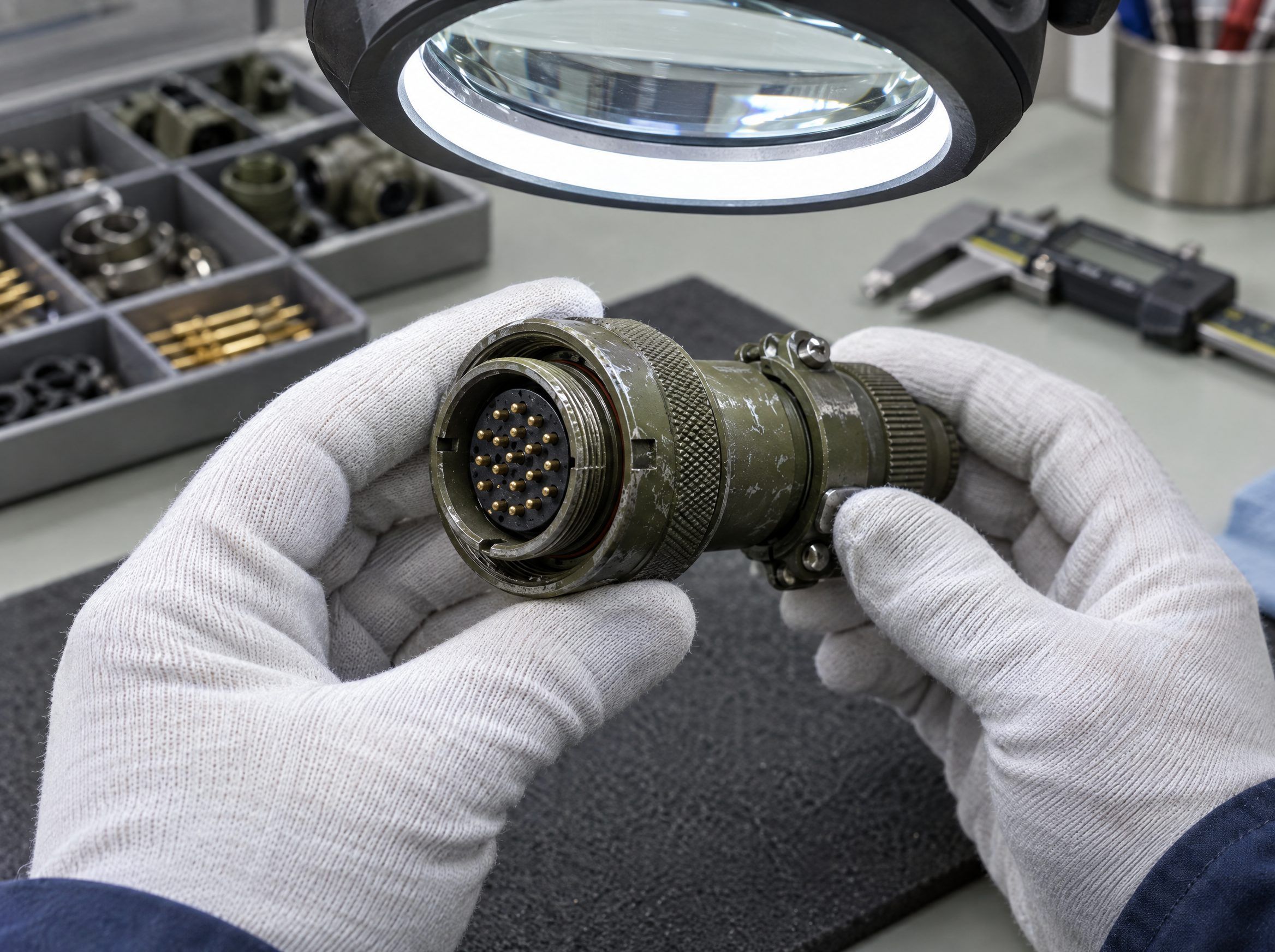
Scope, technical package, applicable requirements and acceptance criteria agreed.
Electrical, interconnect and mechanical content engineered or reviewed and released.
Components sourced; assemblies produced by qualified manufacturing partners.
Inspection and test evidence reviewed; hardware ships with its documentation package.
Start with a non-sensitive overview. Controlled technical data is exchanged only through the authenticated Program Workspace.
Specific military or industry standards are referenced only where a contract calls for them, and the party performing each requirement is defined per order.
Tell us what the program needs, when it is needed and which documentation matters. We will review it and define the path to delivery.